
Fitness and Nutrition for Hormone Health
Low Testosterone and Inflammatory Foods: A New Study Supports the Connection

Inflammation has a bad reputation, but it is an important contributor to your body’s natural defense system. Inflammation is your body at work, either protecting itself from illness or promoting healing when injured. However, the link between chronic, sustained inflammation found in various parts of the body and a variety of serious health issues is well…
Read MoreReducing Fat Intake and Your Testosterone Levels—What You Need to Know

If you’re concerned about your fat intake and are considering a low-fat diet, you need to understand that the fat in your diet affects testosterone production. For decades, reducing the amount of fat has been highly recommended by the “experts.” Every 5 years, the US Departments of Agriculture and Health and Human Services release the…
Read MoreVitamin D and Low Testosterone: Does Research Support a Connection?
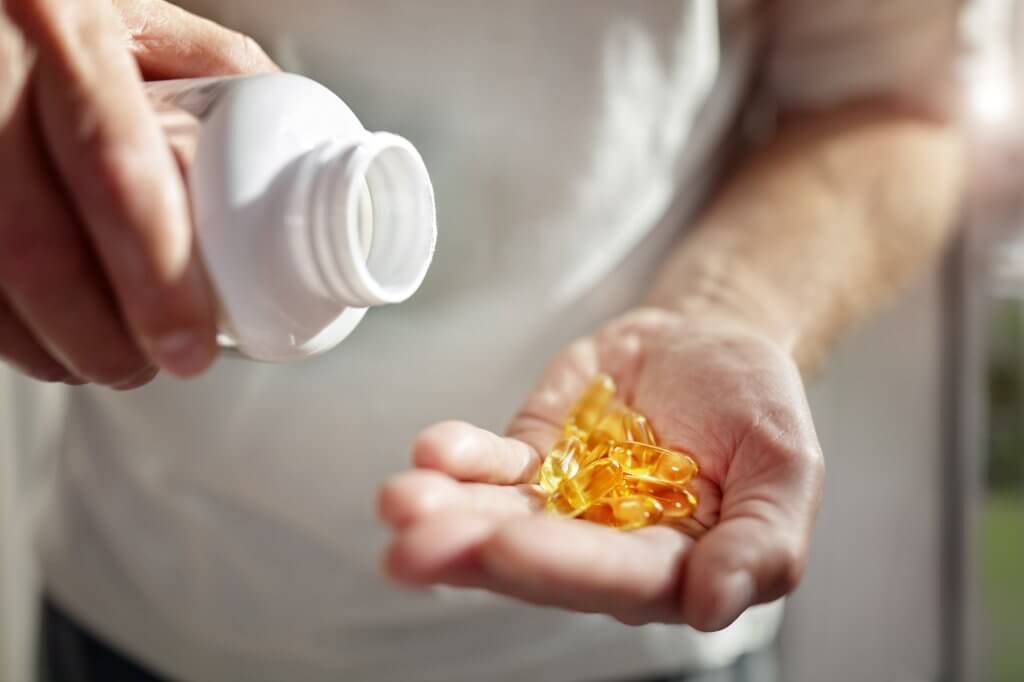
Vitamin D, often referred to as the sunshine vitamin, is produced by the body when the skin is directly exposed to the sun. Lower-than-normal vitamin D levels could result from a lack of outdoor activity, and it has been hypothesized and publicized that vitamin D is associated with testosterone production in men. Men are asking:…
Read MoreIndirect Doping—The Harmful Misuse of Estrogen Blockers to Increase Performance

Most people are concerned about how they look and want to perform at the top of their games as often as possible. Societal pressures can convince us to take shortcuts and utilize less than safe measures to achieve those goals. Steroids and human growth hormone have been made famous in media scandals involving popular athletes…
Read MoreExercise—Not a Treatment for Clinical Low Testosterone

Muscle mass and strength are important as men age. Mounting evidence indicates these factors indicate a longer life expectancy, whereas frailty is associated with morbidity. One of the primary factors in determining the body’s ability to maintain muscle mass is a healthy testosterone level—responsible for initiating a number critical bodily systems that must be functioning…
Read MoreLow-Fat Diets—Do They Contribute to Low Testosterone Levels?

Dietary information, which is often based on conjecture and marketing spin, can be both confusing and contradictory for those looking to improve their overall health. Many of us remember the days when almost all fat was labeled bad for you. However, modern nutritional fads like the Keto and Paleo diets recommend consuming much more fat…
Read MoreTRT and Increased Strength—The Method of Treatment Matters

One of the telltale symptoms of low testosterone (hypogonadism) is a loss in lean muscle mass and overall physical strength, a condition known as sarcopenia. Studies have shown that one of the primary benefits of restoring healthy testosterone levels through Testosterone Replacement Therapy (TRT) is slowing or reversing this decline, with many patients experiencing a steady increase…
Read MoreNutrition and Hormones—Does Food Make a Difference?
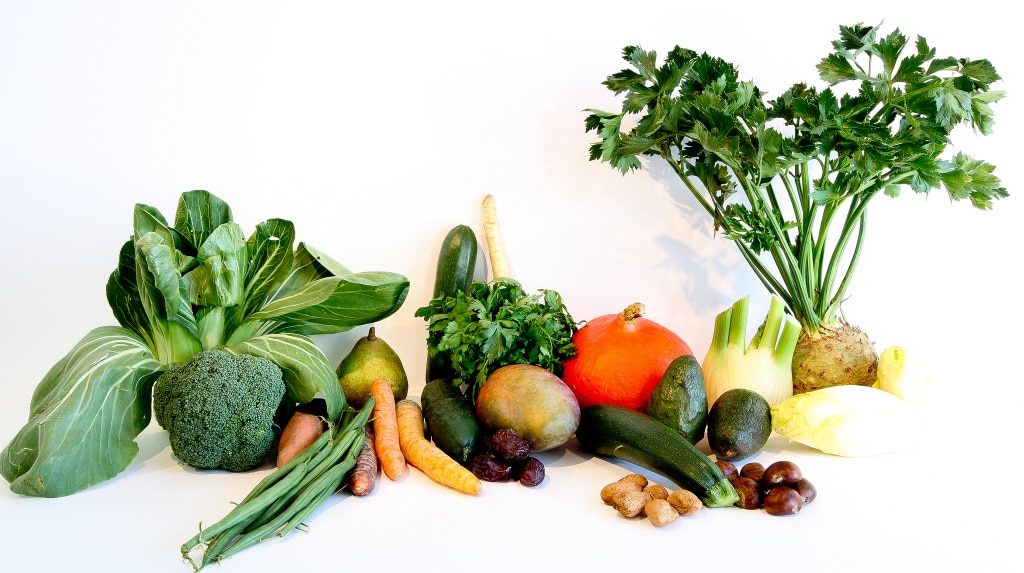
Nutrition and Borderline Low Testosterone Levels Alcohol Consumption and Testosterone Levels The Effects of Alcohol on Testosterone Production in Men and Women Moderate Alcohol Consumption: Little Need to Worry Excessive Beer Consumption: A Cause for Concern Foods That Could Lower Testosterone Levels Avoid Hydrogenated Oils Reduce Sugar Intake Misinformation Surrounding Soy The Source of the…
Read MoreExercise and Testosterone — The Complete Guide
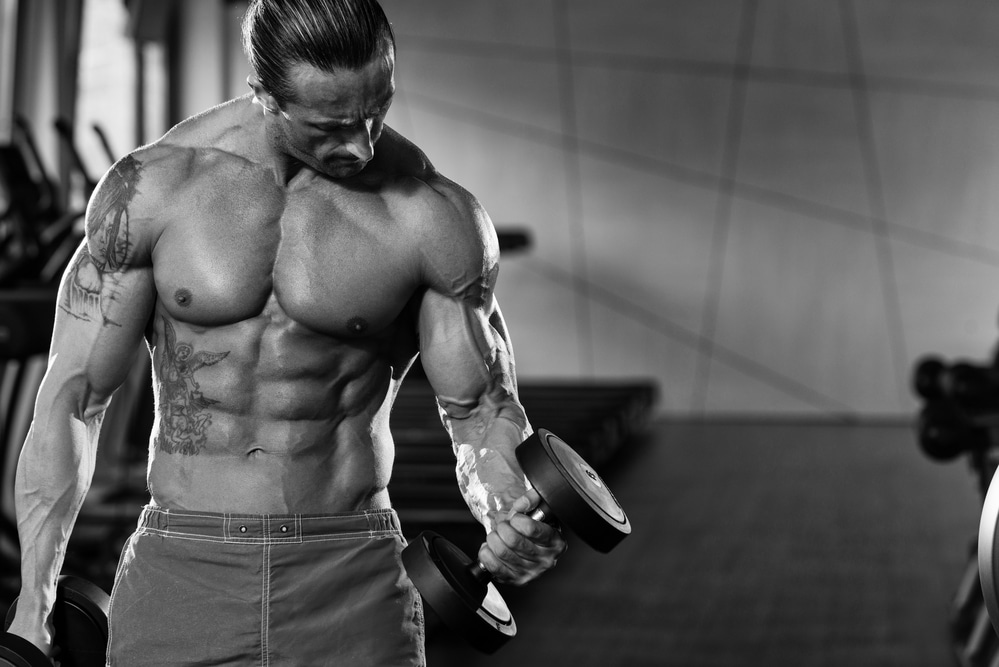
This guide covers everything you’ve ever wanted to know about how exercise and testosterone are related. From weight lifting while on Testosterone Replacement Therapy (TRT) to how High Intensity Interval Training helps those who suffer from borderline Low T and more, this guide will walk you through each topic and help you understand what’s true,…
Read MoreAre Vitamins Useless in the Fight Against Low T?

When it comes to battling low testosterone, are vitamins useless? Yes, and no. Simple questions about our health often come with more complicated answers. Without a doubt, your overall health is critical to hormone production. On their own, however, vitamin pills and over-the-counter supplements are mostly ineffective against clinical hypogonadism (the technical term for low…
Read More
